Zaira Imtiyaz

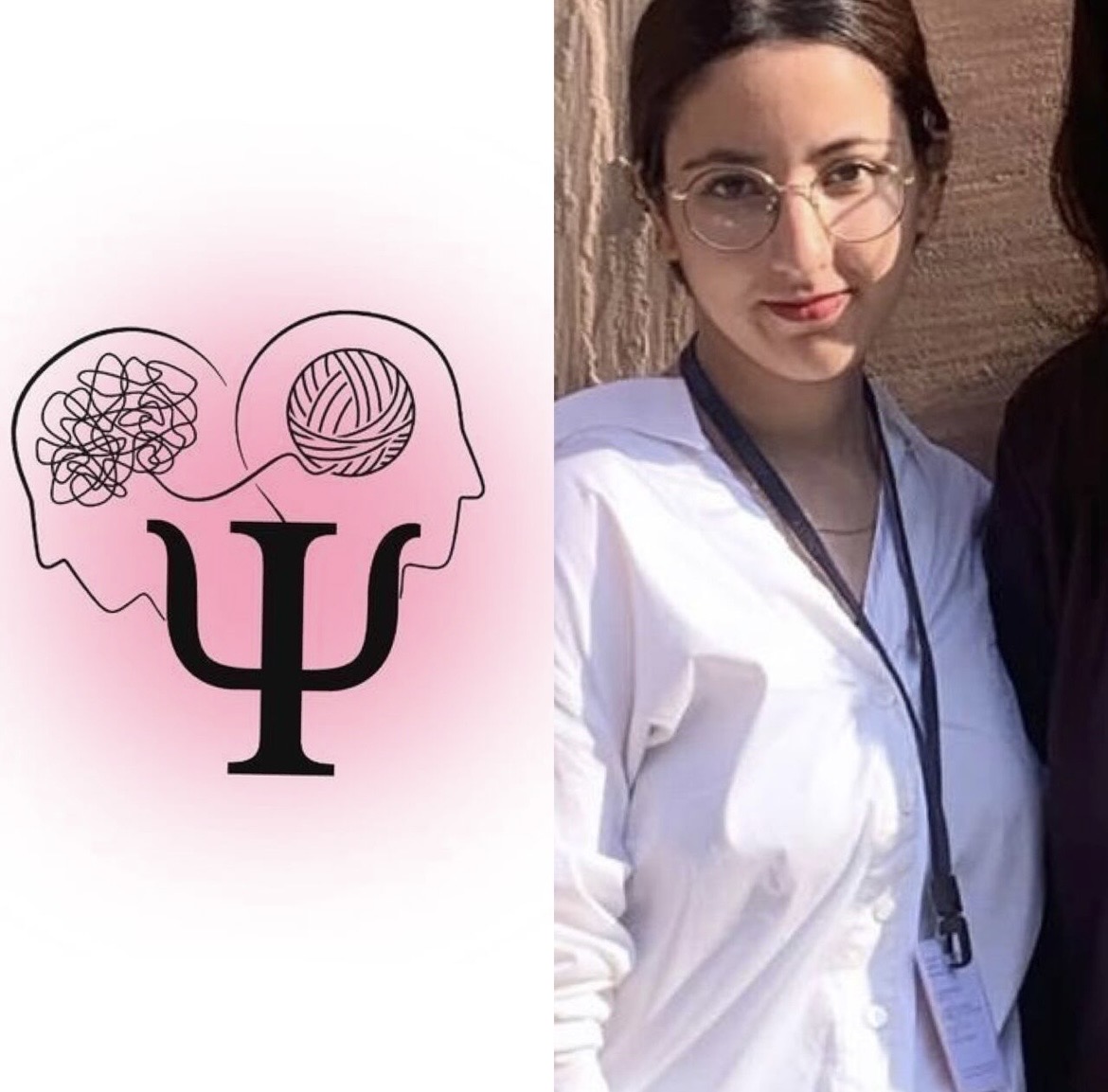
I’m Zaira Imtiyaz, a 23-year-old psychology student, writer, and researcher from Kashmir. I am currently pursuing a B.Sc. (Hons.) in Clinical Psychology at Amity University, Noida. My journey in psychology has been shaped by a deep curiosity about people — their experiences, emotions, behaviour, resilience, struggles, and the often-unspoken stories behind what we see on the surface.

I completed my schooling at Presentation Convent Higher Secondary School before pursuing my undergraduate education at Amity University, Noida. Choosing clinical psychology has allowed me to explore the human mind not only through academic learning, but also through research, practical exposure, professional experiences, writing, and conversations with people working in the field.

For me, psychology is more than the study of behaviour. It is an attempt to understand people with greater depth, empathy, and curiosity. I am particularly interested in understanding mental health, psychological difficulties, human behaviour, and the ways in which experiences can shape the way individuals see themselves and the world around them.

Research

Research has been an important part of my academic journey. I have worked on two research topics that explore significant areas of mental health.

1. Prevalence of PTSD in Young Adults
This research explores Post-Traumatic Stress Disorder among young adults and focuses on understanding the prevalence of PTSD within this population.

2. OCD and Its Growing Rate
This research explores Obsessive-Compulsive Disorder and the increasing rate and awareness surrounding OCD, with an interest in understanding the condition and its impact on individuals.

Working on these topics has strengthened my interest in psychological research and has helped me appreciate the importance of understanding mental-health concerns through evidence, awareness, and responsible psychological practice.

Books & Writing

Writing has always been another important part of my journey. Alongside psychology and research, I have written two books: Unheard Echoes of the Brave and The Autonomous Child.

My interest in writing comes from my love for exploring thoughts, experiences, emotions, and the different ways people make sense of themselves and the world around them. I have also worked as a content writer, which has given me an opportunity to develop my ability to communicate ideas clearly and creatively.

Professional & Practical Experience

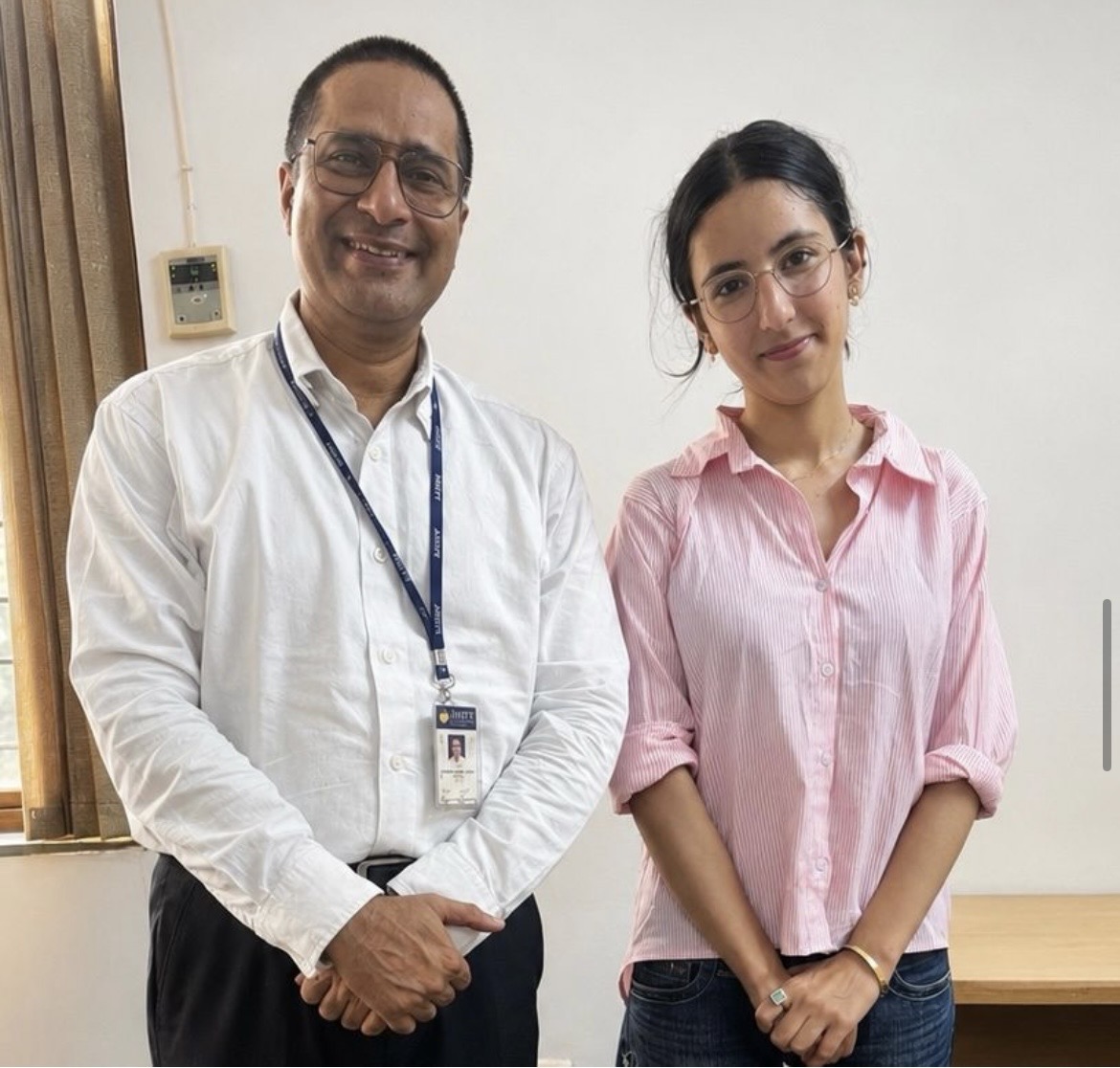
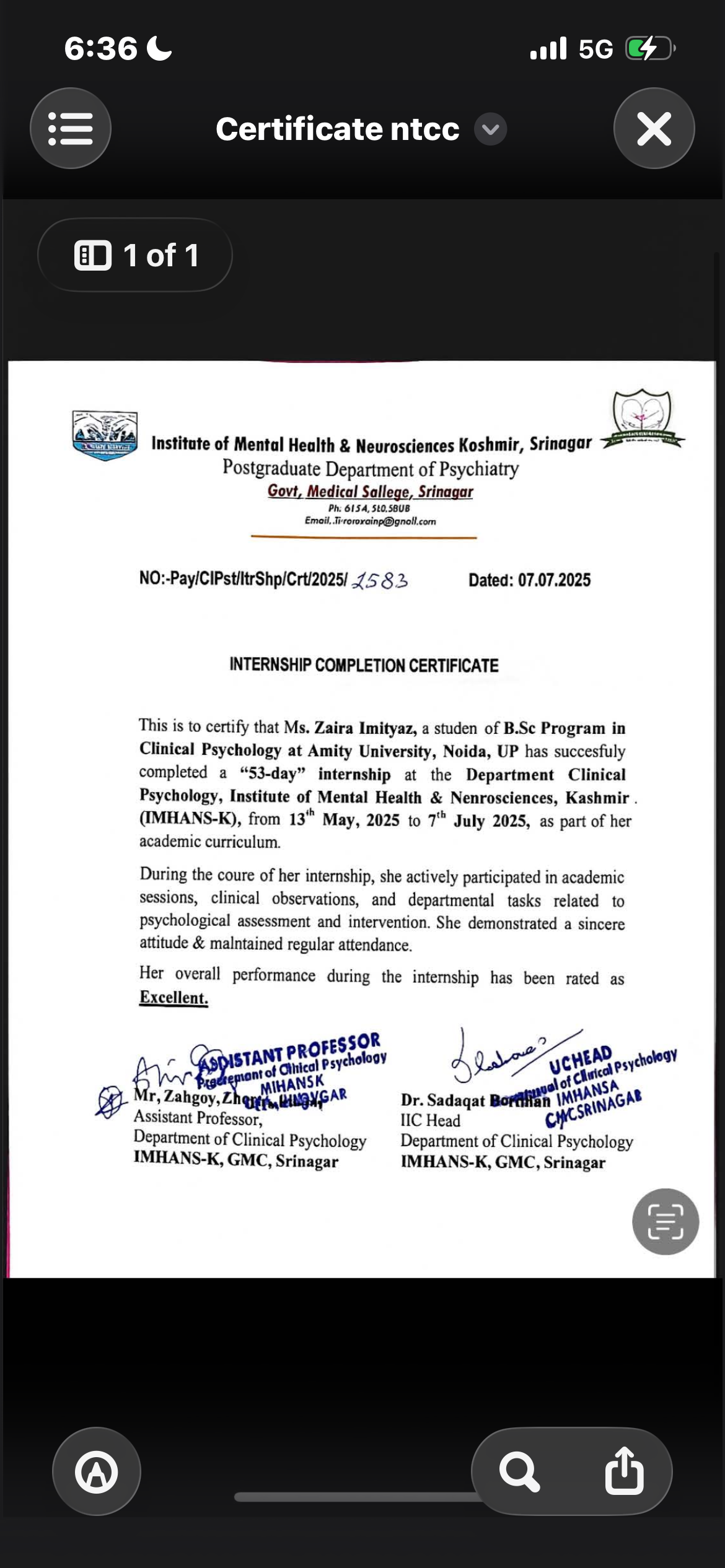
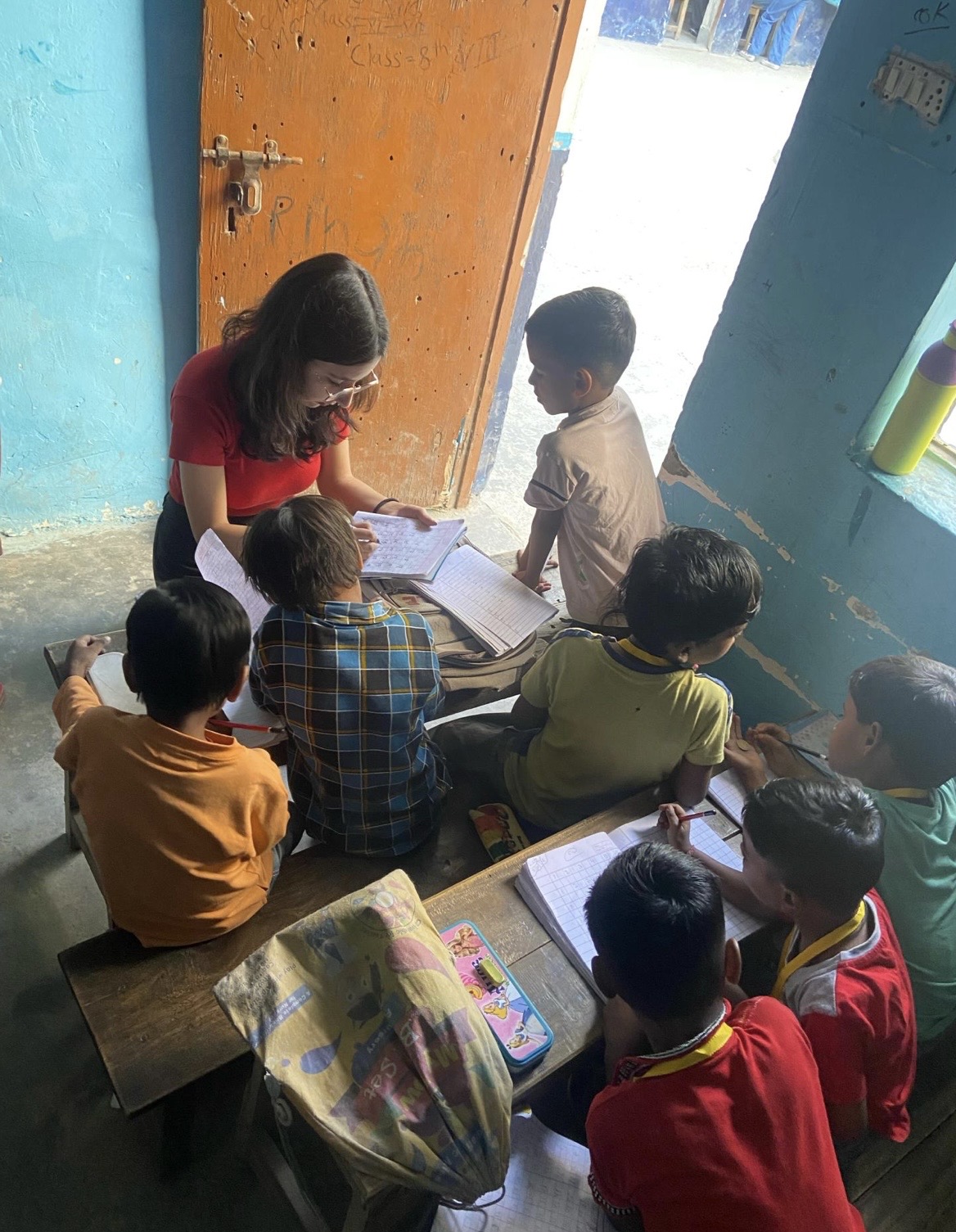
My learning has extended beyond university through internships, professional experiences, and practical exposure. I have gained experience through a Corzio internship, an IMHANS internship, and a Pehchan internship. I have also worked as an ABA Technician, gaining practical exposure to behavioural work.

I have also had the opportunity to attend a webinar involving NIMHANS doctors, which provided another perspective on psychological and clinical work and allowed me to learn from professionals working in the field.

These experiences have helped me understand that psychology extends far beyond textbooks and classrooms. Each experience has given me a different opportunity to observe, learn, ask questions, and understand the importance of applying psychological knowledge thoughtfully and responsibly.

Beyond Academics

Outside academics and professional work, I enjoy reading, travelling, and writing. Reading allows me to continuously discover new perspectives, travelling gives me the opportunity to experience different places and people, and writing gives me a space to express and organise my thoughts.

I believe that all of these experiences — academic, professional, creative, and personal — contribute to the way I understand psychology. They have encouraged me to remain curious, keep learning, and look at people and their experiences with greater depth.

My journey so far has been a combination of psychology, research, writing, and practical learning. As I continue to grow in the field, I hope to deepen my understanding of clinical psychology, contribute to meaningful research, continue writing, and build experiences that allow me to make a thoughtful contribution to the field of psychology.

“Understanding the mind is not only about explaining behaviour. Sometimes, it is about listening to the story underneath it.”
Psychological Talks

Conversations worth having.

Talks and accessible reflections on the mind, behaviour and mental health.

Psychology

Self-Sabotage: When Protection Becomes a Prison

Self-sabotage is rarely as simple as wanting to fail. More often, it is the mind trying to protect us with strategies that have outlived the danger that created them. We postpone the thing we deeply want, withdraw when intimacy begins to feel real, or create reasons to leave just before something has the chance to become meaningful. Psychologically, the behaviour can offer an immediate sense of safety: if I never try, I cannot fail; if I leave first, I cannot be abandoned; if I expect little, disappointment cannot surprise me. But protection can quietly become imprisonment. The tragedy of self-sabotage is that the mind may mistake familiarity for safety. Growth therefore is not simply forcing ourselves to 'do better'. It is learning to notice the moment fear disguises itself as logic—and asking whether the voice telling us to retreat is protecting the person we are today or still protecting a version of us that once had to survive.

Psychology

The Spotlight Effect: Why We Feel Everyone Is Watching

The spotlight effect is the tendency to overestimate how much other people notice, remember and evaluate our appearance, mistakes and behaviour. We experience our own actions from the inside, so a stumble, an awkward sentence or a change in our appearance can feel enormous to us. Yet other people are usually occupied with their own thoughts, worries and self-consciousness. There is something quietly liberating in understanding this: the audience we imagine is often much smaller than the one our anxiety creates. We spend so much of life editing ourselves for eyes that may barely be watching. The mind places a spotlight on us and then mistakes its brightness for everyone else's attention. Perhaps freedom begins when we realise that being seen is not the same as being constantly observed—and that a life lived entirely for an imagined audience is a life partially lived outside ourselves.

Articles & Substack

Words that make psychology feel human.

My longer-form writing lives alongside shorter notes and poetic reflections.

Substack · Article

The Caged Bird

A reflective piece about loneliness, inherited wounds, fear, self-preservation and the cages we sometimes learn to carry.

Read on Substack
Substack · Article

The Stranded Kid

A dark, philosophical reflection on growing up, childhood, identity and what remains when old versions of the self fall away.

Read on Substack
Substack · Note

A Note from Zaira

A shorter piece from my Substack notes—small thoughts, observations and reflections between longer essays.

Read the note
My Substack

Zaira’s Letters

Poems, fragments and reflections from the spaces between psychology and the inner life.

Substack: zairawrites

Zaira Writes · Substack

Letters from the inner life.

My ongoing space for psychology, philosophy, poetry, observations and unfinished thoughts.

substack.com/zairawrites
Writing

For the quieter thoughts.

A separate corner for poetry, philosophical reflections and pieces that do not need to fit neatly inside an academic category.

Letters, fragments & poetry

Writing about longing, becoming, silence, identity and the things we understand only after we have lived through them.

Ideas & Reflections

Eight places where psychology meets philosophy.

Short original pieces for readers who like their psychology thoughtful, human and a little literary.

01 · MindThe Architecture of Overthinking
02 · SelfThe Person We Perform
03 · EmotionWhen Feelings Become Evidence
04 · MemoryThe Stories Memory Keeps
05 · AttachmentWhy Familiarity Feels Like Home
06 · IdentityBecoming Someone You Recognise
07 · SilenceWhat We Do Not Say
08 · MeaningThe Psychology of Becoming
01 · The Architecture of Overthinking

Overthinking often feels like problem-solving because the mind is busy, precise and endlessly active. But thought can become a room with no door when every possibility demands another possibility. Sometimes the mind keeps rehearsing the future because uncertainty feels less frightening when it has been given a script. Yet certainty is not the same thing as safety. A quieter question can be more useful: what is actually mine to decide today?

02 · The Person We Perform

There is a difference between identity and adaptation. We learn the version of ourselves that receives approval, avoids conflict or makes other people comfortable. Over time, that adaptation can become so familiar that we mistake it for personality. Psychology gives us language for roles, self-concept and social behaviour; philosophy asks what remains when the audience leaves. Perhaps becoming is partly the work of noticing which parts of us are chosen and which were simply rehearsed.

03 · When Feelings Become Evidence

A feeling is real without necessarily being a fact. Fear can tell us that something matters; it cannot always tell us what will happen. Shame can make a person feel fundamentally flawed; that feeling alone does not establish a verdict. Emotional awareness becomes more powerful when it allows two truths to coexist: “I feel this deeply” and “I may still need to examine what this feeling is telling me.”

04 · The Stories Memory Keeps

Memory is not a perfect archive. It is reconstructive, shaped by attention, emotion, meaning and what we remember later. This is one reason a memory can feel vivid without every detail being exact. We do not only carry events; we carry interpretations of events. Sometimes healing is not erasing an old story but learning that the person who lived it is no longer the person standing inside it.

05 · Why Familiarity Feels Like Home

Humans often prefer what is familiar, even when familiar does not mean healthy. Patterns can become predictable enough to feel safe simply because we know how to navigate them. Attachment, learning and repetition can all make the known feel emotionally persuasive. Growth can therefore feel strangely uncomfortable: the unfamiliar asks us to live without the map that once protected us.

06 · Becoming Someone You Recognise

Identity is not a finished object. It changes through relationships, choices, losses, responsibilities and the meanings we make from experience. The person you were at nineteen does not need to be the person you defend forever. There is freedom in allowing identity to remain unfinished—to say, without apology, I am still becoming.

07 · What We Do Not Say

Silence can be avoidance, protection, respect, fear, intimacy or simply the absence of language. Not every quiet person is detached, and not every expressive person is emotionally open. Psychological understanding becomes more humane when we resist turning one behaviour into one meaning. Sometimes the most important part of a conversation is the feeling that had no safe sentence yet.

08 · The Psychology of Becoming

Perhaps becoming is less about discovering a hidden, perfect self and more about developing the capacity to choose. We inherit habits, stories and expectations, but awareness gives us a little space between impulse and action. In that space, change becomes possible. Philosophy asks what kind of life is worth living; psychology asks how minds and behaviours actually move. The two questions meet in the ordinary act of choosing differently.

Research

OCD and its prevalence.

Obsessive-compulsive disorder (OCD) is a clinically significant condition involving recurrent, unwanted obsessions, compulsions, or both. Its prevalence estimates vary with the population, diagnostic criteria and method of assessment. In U.S. adults, the National Institute of Mental Health reports an estimated 1.2% past-year prevalence and 2.3% lifetime prevalence based on the National Comorbidity Survey Replication. Cross-national research also shows substantial variation between countries and highlights the importance of distinguishing diagnosed OCD from subclinical obsessive-compulsive symptoms. These differences matter in research: prevalence is not a single universal number, and estimates should always be interpreted in relation to the sample and methodology used. Beyond statistics, OCD can be deeply impairing, particularly when intrusive thoughts and compulsive behaviours become time-consuming or interfere with daily functioning. Understanding its prevalence is therefore not merely a numerical exercise—it helps us recognise the scale of a condition that is often misunderstood, hidden, or reduced to everyday language about being 'obsessive' or 'neat'.

Research note: prevalence estimates vary by population and methodology. The research discussion here is intended as an educational overview, not a diagnostic resource.

Prevalence figures depend on the population and methodology. NIMH reports 1.2% past-year and 2.3% lifetime prevalence among U.S. adults in the National Comorbidity Survey Replication.

Book

Unheard Echoes of The Brave

A published work by Zaira Imtiyaz exploring resilience, courage, vulnerability and the silent struggles that often remain unspoken.

Read / view the book
Contact

Let’s continue the conversation.

For collaborations, psychological writing, speaking opportunities, research conversations or professional enquiries.

ayeshaaaaaaa39@gmail.com
LinkedIn